International conference on sustanable waste management
Međunarodna konferencija o održivom upravljanju otpadom
WASTE TO ENERGY IV
From waste to strategic energy
Slavonski Bord, 1st and 2nd October 2026.
Go to entry




The Fourth International WASTE TO ENERGY IV Conference will bring together leading European and regional experts, representatives of institutions, industry, the municipal and energy sectors, academia, technology companies, as well as development and financial institutions.
The conference is held under the high patronage of the Ministry of Environmental Protection and Green Transition of the Republic of Croatia, in strategic partnership with TEP/ANDRITZ and the University of Slavonski Brod.
Introduction
Waste management is entering a period in which its development can no longer be viewed solely through the lens of collection and disposal. The new European legislative framework, circular economy objectives, industrial decarbonisation and the need for more efficient use of resources are transforming the role of waste. Waste is increasingly becoming a source of energy, alternative fuels and secondary raw materials, as well as a starting point for creating new economic, environmental and social value.
At the same time, the European Union is redefining the relationship between recycling, chemical recovery, RDF and SRF production, Waste-to-Energy technologies and final waste disposal. The revised Waste Framework Directive, the Packaging and Packaging Waste Regulation (PPWR), the Ecodesign for Sustainable Products Regulation (ESPR), the Digital Product Passport, as well as ESG and climate requirements, are introducing new obligations for the public sector, municipal utility companies, industry and investors.
In such an environment, choosing an individual technology is no longer sufficient. Legislation, waste characteristics, available technologies, energy and secondary raw materials markets, financing, public acceptance and the long-term performance of facilities must all be considered and integrated.
The WASTE TO ENERGY IV Conference provides a platform where these issues are addressed as interconnected elements of a single development process.
Conference Objectives
The objective of the conference is to provide a comprehensive overview of the regulatory, technological, investment and market-related issues shaping the transition from traditional waste disposal towards the production of energy, fuels and secondary raw materials.
In particular, the conference aims to:
-
present changes in European and national legislation that will shape the future development of the waste management and energy sectors;
-
analyse existing and emerging technologies for energy, chemical, biological and material recovery from waste;
-
match the characteristics and quantities of individual waste streams with appropriate technological solutions;
-
examine the production and market application of RDF and SRF fuels;
-
present investment models, financing sources and project bankability criteria;
-
analyse the role of ESG standards, the EU ETS, CBAM and sustainable finance;
-
highlight the importance of public acceptance and effective communication with stakeholders and the wider public;
-
present opportunities for the production of biogas, biomethane and renewable energy from organic waste;
-
open a discussion on the evolving role of municipal utility companies in the secondary raw materials market;
-
connect institutions, industry, the municipal sector, investors, technology companies and the scientific community;
-
encourage the development of new projects, partnerships and investment initiatives;
-
formulate recommendations for the development of a regional circular economy model.
The conference does not focus on promoting a single technology or type of facility. Instead, it seeks to provide a better understanding of how different solutions can be applied according to the type of waste, local needs, market conditions and long-term development objectives.
A Conference Connecting Regulation, Technology and Investment
The structure of the conference follows the entire project development pathway — from European policies and legislative requirements, through technology selection and facility design, to financing, risk management, public acceptance and industrial application.
The aim is for participants to leave the conference not only with new information, but also with a clearer understanding of:
-
the relationship between regulation, technology and investment decisions;
-
the key prerequisites for a successful project;
-
the questions investors need to raise with project and technology partners at an early stage;
-
the criteria used to assess the reliability, efficiency and long-term su
Entry form
You can also send applications to the e-mail address: tomislav.lukic@academia-maor.com
Organising Committee
Chairman
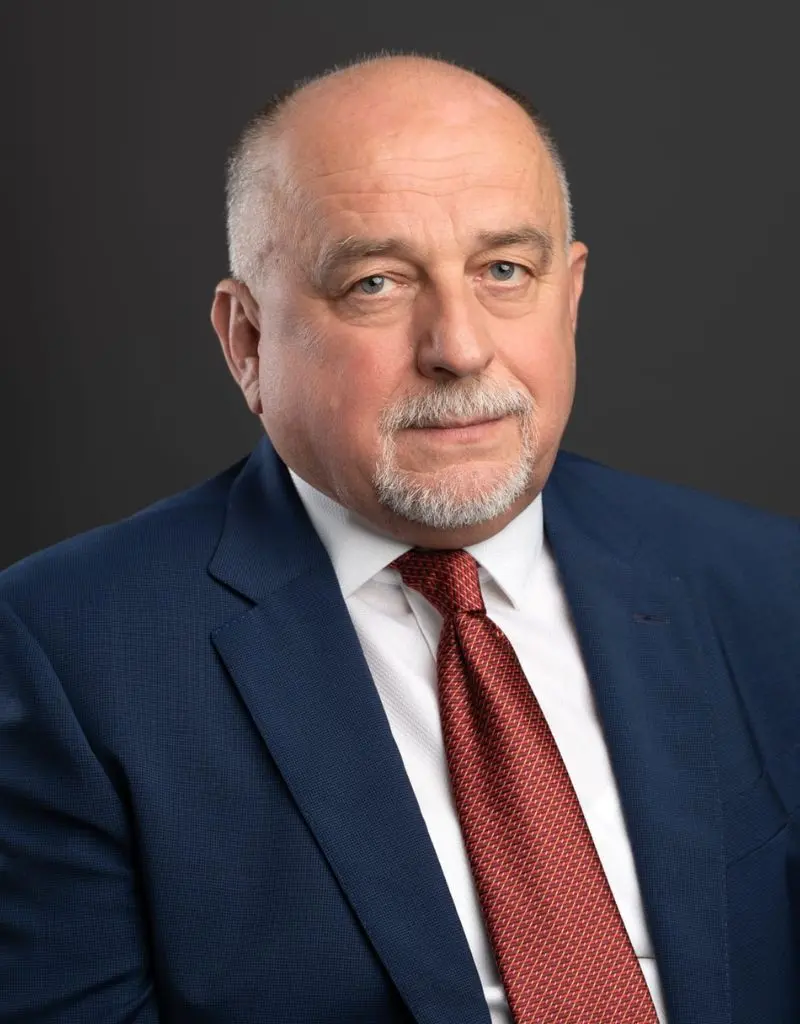
Tomislav Lukić, PhD
International Academy
for Sustainable Development
MAOR, Zagreb
Vice-Chairman
prof. Goran Šimunović
Mechanical Engineering Faculty
University of Slavonski Brod - MAOR, Zagreb
Members

Josip Grgić
Centre Šagulje,
Slavonski Brod

Dragan Jelić
Central Finance and
Contracting Agency for
EU Funds (SAFU),
Zagreb

Tomislav Tekić
Economy – County Chamber
Slavonski Brod

Robert Podrug
Centre Bikarac, Šibenik

Prof. Ana Matin
of Agriculture

Ivica Marić
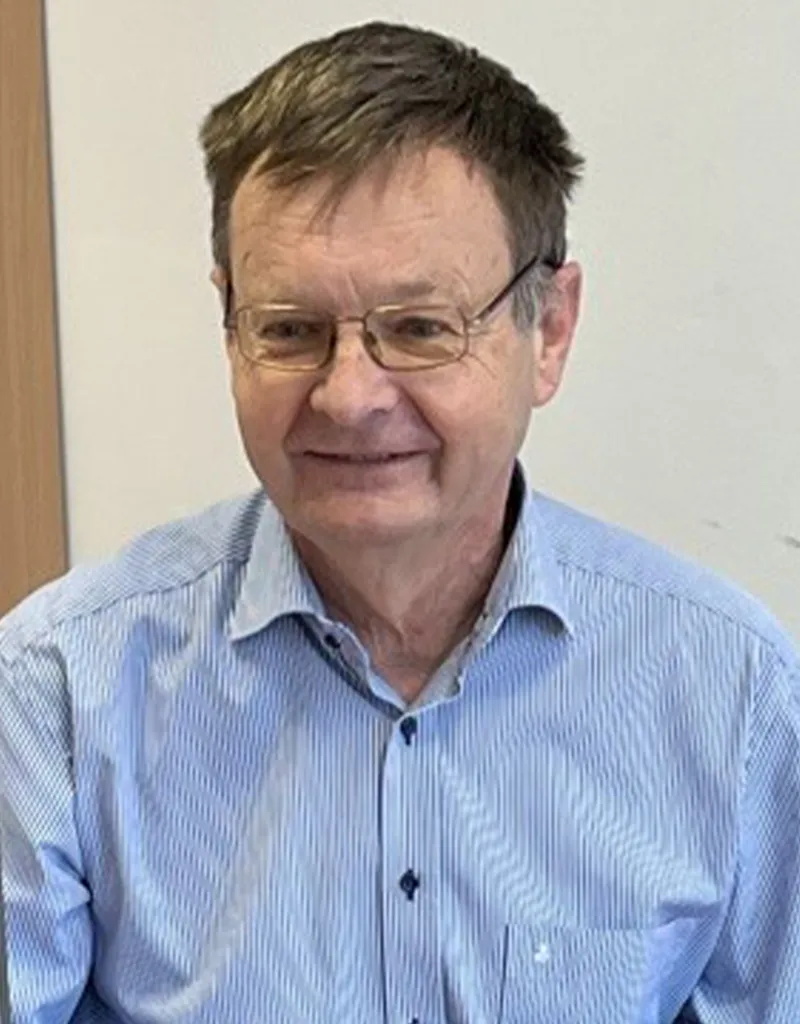
Danko Fundurulja

Zdravko Stipetić

Andreas Stanić

Daria Mateljak

Zlatan Bakalović

Željko Brigljević

Josip Pavlović

Nada Perić
Scientific Committee
Chairman
Prof. Ivan Samardžić
University of Slavonski Brod,
Croatia
Vice-Chairman

Boris Brigljević, PhD
Research Professor
UNIST - Ulsan National Institute of Science and Technology, South Korea
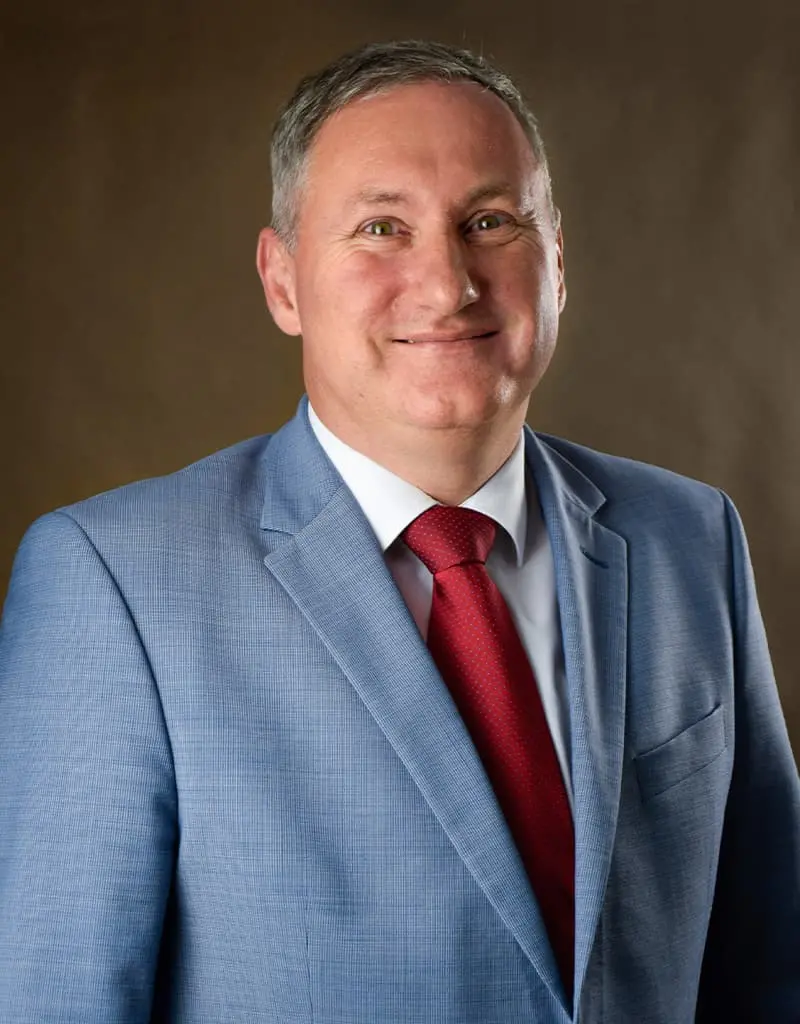
Prof. Filip Kokalj
of Mechanical Engineering,
Slovenia

Assoc. Prof. Renato Šarc
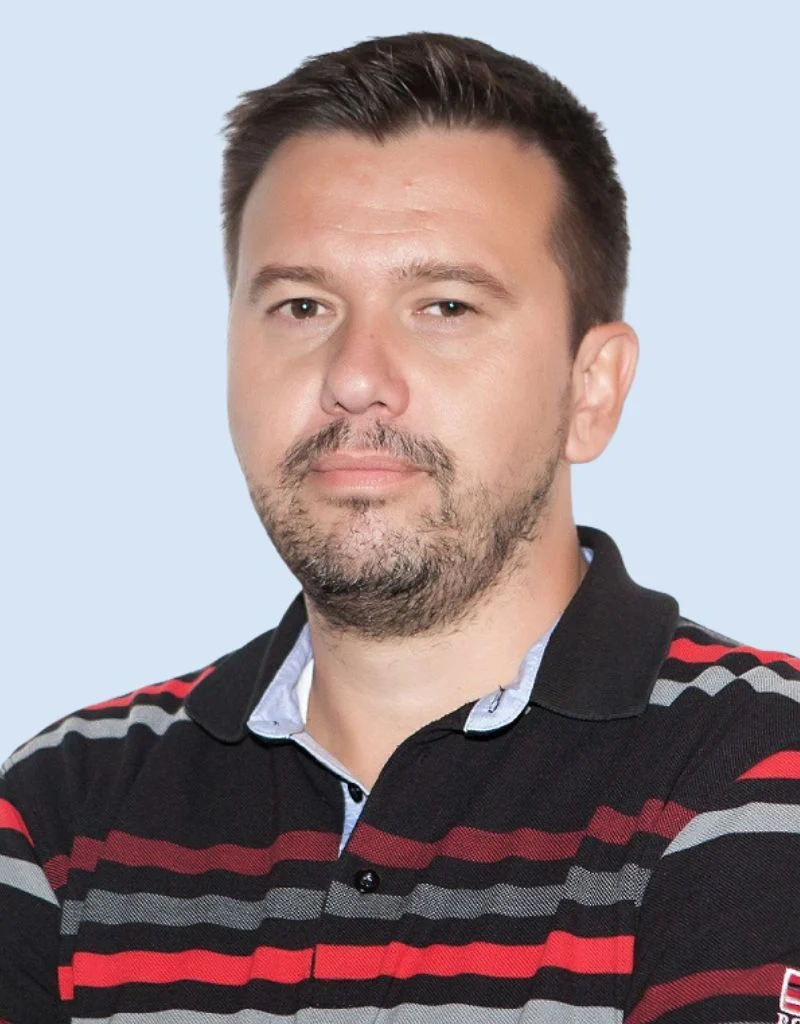
Prof. Neven Voća
of Agriculture,
Croatia

Prof. Davorka Šaravanja
Faculty of Mechanical
Engineering, Computing and
Electrical Engineering
University of Mostar

Prof. Marinko Stojkov
Mechanical Engineering
Faculty
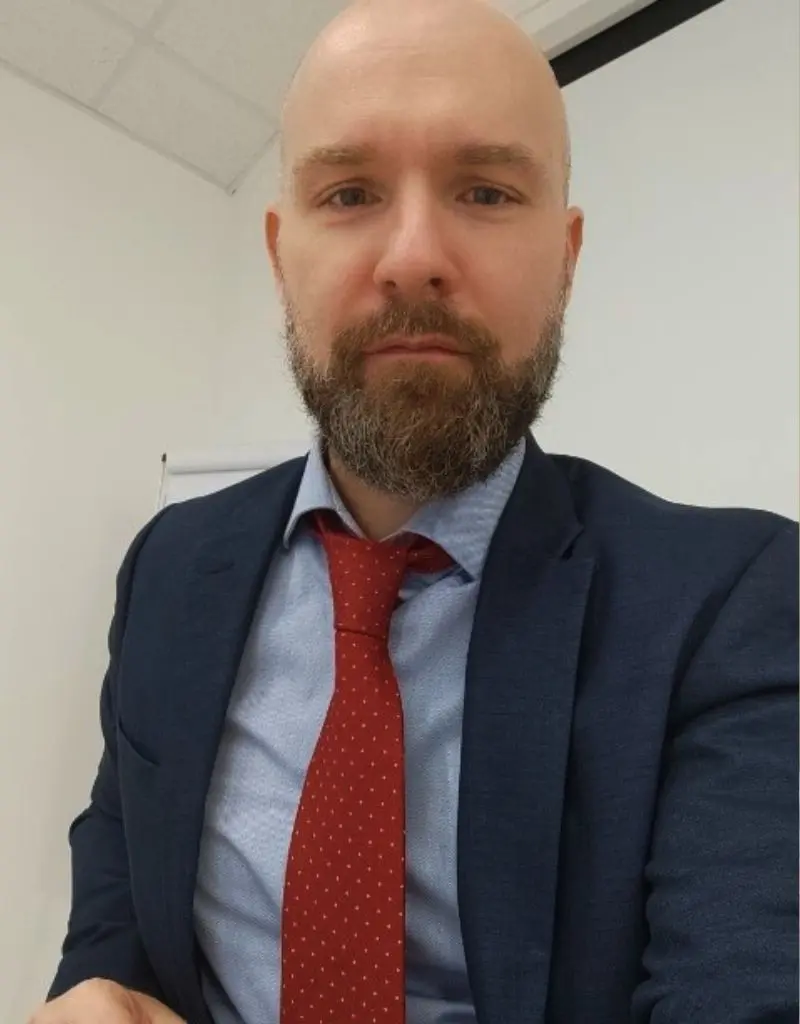
Prof. Luka Traven
University of Rijeka

Prof. Marija Živić
Mechanical Engineering
Faculty

Assoc. Prof. Ana Buljubašić
Faculty of Natural Sciences
and Education

Assoc. Prof. Mario Holik
Mechanical Engineering
Faculty

Antun Barac, PhD
Mechanical Engineering
Faculty

Prof. Džafer Dautbegović
Faculty of Mechanical
Engineering

Assoc. Prof. Ivan Gelo
Mechanical Engineering
Faculty

Dražen Kotrošan, PhD
Bosnia and Herzegovina,
Sarajevo

Assoc. Prof. Dejan Marić
Mechanical Engineering
Faculty

Prof. Damir Šljivac
University of Osijek
Faculty of Electrical
Engineering, Computer
Science and Information
Technology

Prof. Marko Dunđer
Mechanical Engineering
Faculty
Conference secretariat
International Academy for Sustainable Development – MAOR
Email: academia-maor@academia-maor.com
Under the auspices of
Sponsors


Media Partner